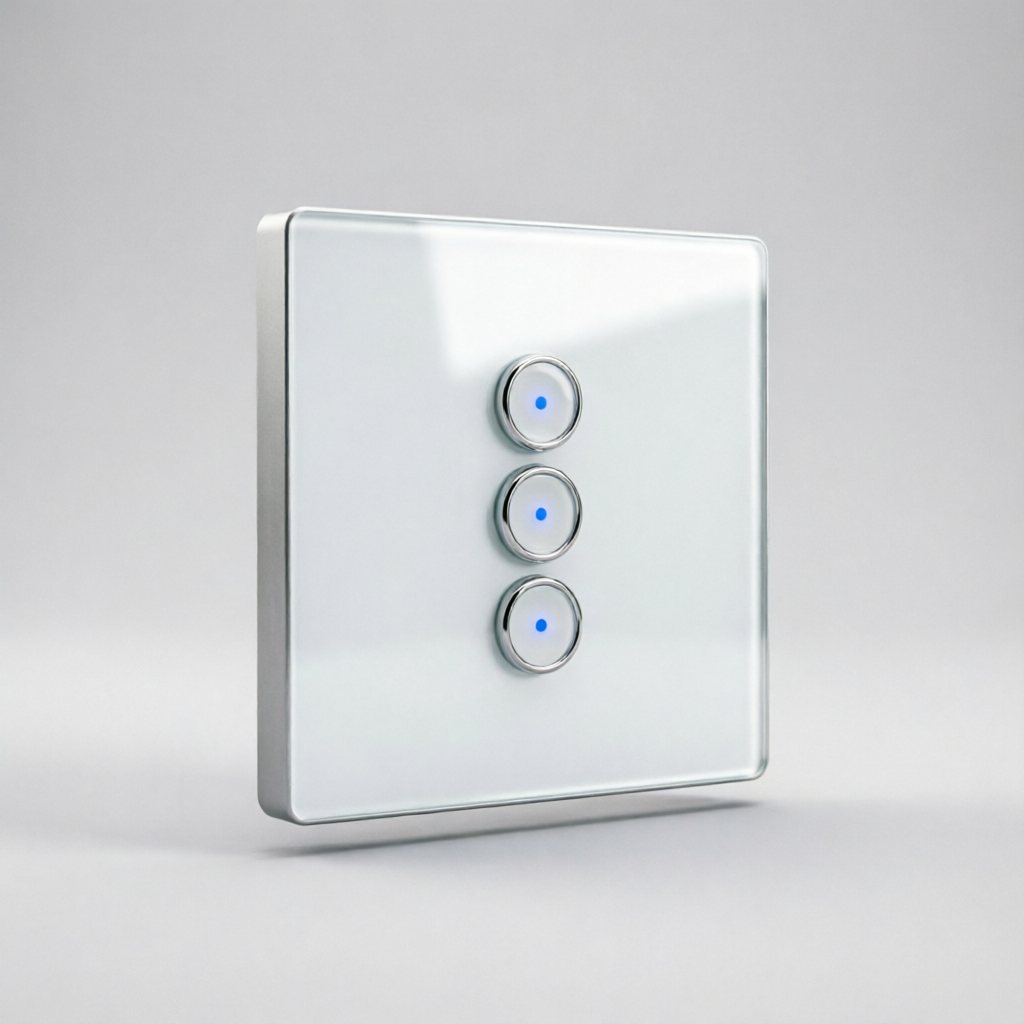
The panel face is what your end customer touches first and what the factory quotes differently. This section compares the four face materials used across the industry and routes you to a detail page per material.
Qualitative by design: these are industry-typical behaviours, not datasheet values. Confirm finish, thickness and print details per SKU in the RFQ.
| Material | Feel | Durability | Print adaptability | Relative cost | Best fit |
|---|---|---|---|---|---|
| Tempered glass | Cool, dense, premium | High scratch resistance; brittle under point impact | Reverse silk-screen, protected behind the glass | Higher | Premium residential, hotels, showroom lines |
| Capacitive glass (touch) | Seamless, no travel; response depends on tuning | Glass surface plus a calibrated sensing layer | Icons printed behind glass must align to the touch zones | Higher — glass plus touch electronics | Touch switch lines, scene panels |
| Polycarbonate (PC) | Lighter, warmer | High impact tolerance; surface wears over years | Surface print, fine detail, wider colour range | Lower | Volume residential, corridors, rental tiers |
| Acrylic (PMMA) / graphic face | Smooth, rigid, light | Optically clear; can crack under sharp impact | Excellent clarity for detailed graphics | Low to mid | Budget tiers, custom graphic faces |

Glass thickness options, reverse silk-screen printing, polished edges, breakage behaviour and transit packaging for glass lines.
GLASS FACE
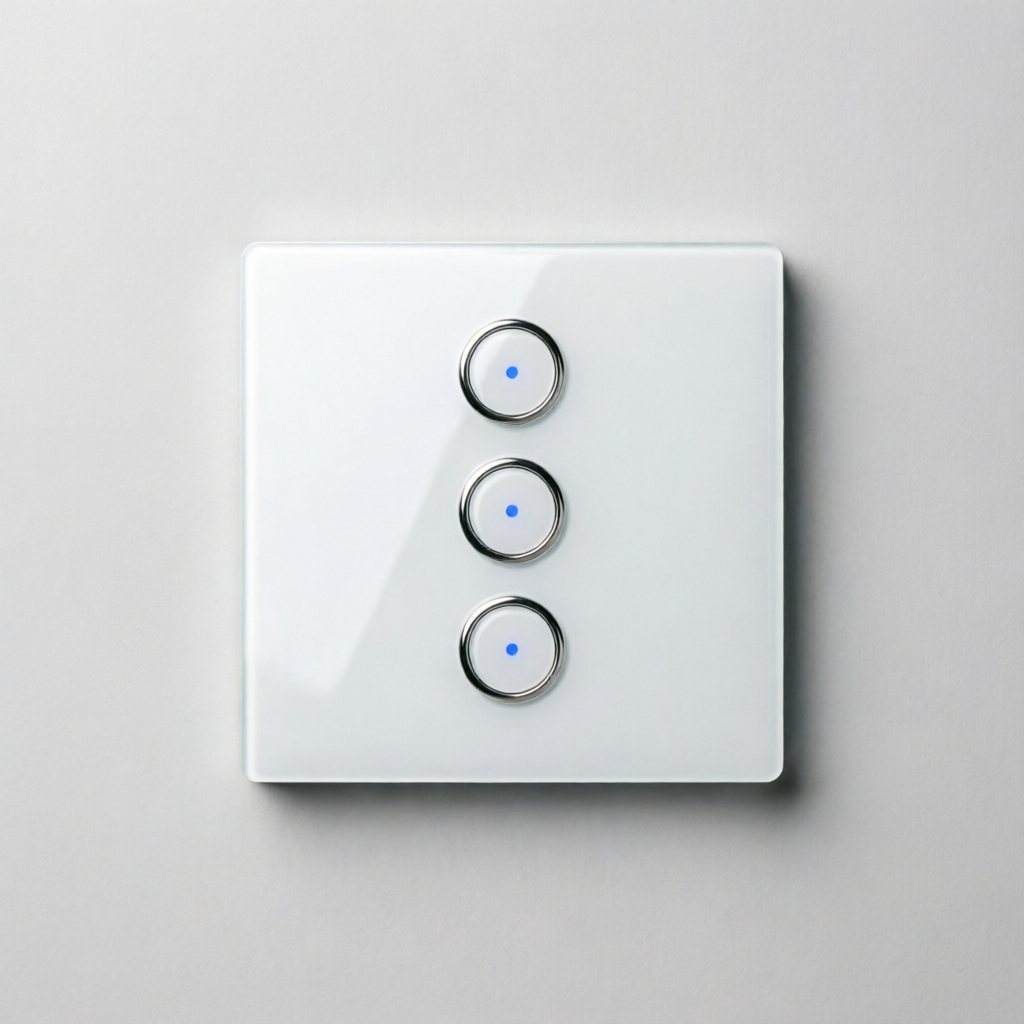
How the sensing layer works, how sensitivity is tuned, and how wet hands, gloves and humidity change behaviour in the field.
TOUCH LAYER
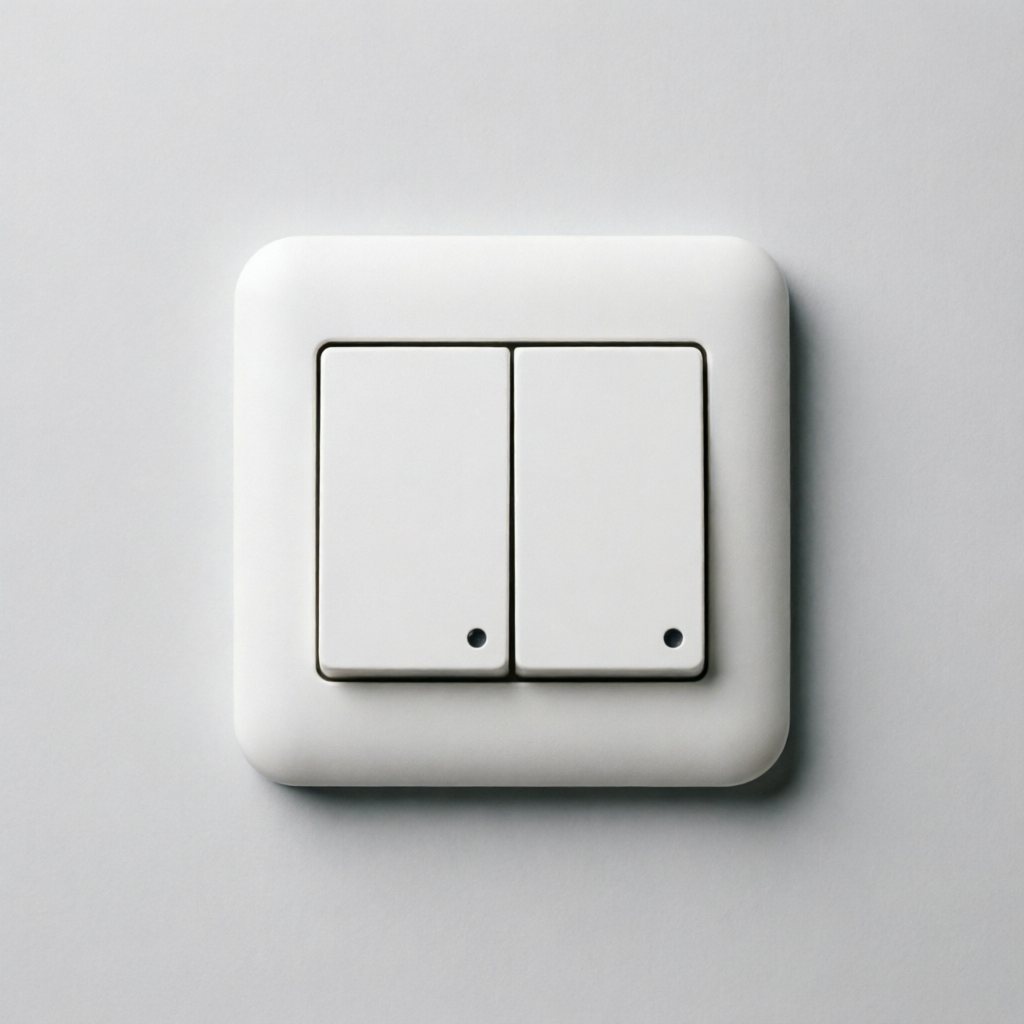
Injection moulding, surface hard coatings, colour range, the cost advantages — and the tiers and markets these faces fit best.
POLYMER FACE| Dimension | What it covers | What to state in the RFQ |
|---|---|---|
| Feel | Surface temperature, weight and press behaviour the end customer notices first | Target tier and the finish the range must read as |
| Durability | Scratch wear from cleaning and keys, versus impact tolerance in transit and on site | Transit route, handling steps and cleaning protocol of the end site |
| Behind-glass silk-screen versus on-surface printing, icon alignment, colour matching | Artwork, icon layout and whether faces must match across a mixed range | |
| Cost | Unit price plus packaging weight, breakage allowance and freight, not the face alone | Quantity, destination and whether packaging spec matters on this lane |
| Fit | The market segment and project type the material is credible in | Channel: retail, developer fit-out, hotel project or tender |
Common pairings across the ranges we source. They are starting points for a specification conversation, not fixed rules.
| Scenario | Typical combination | Why it holds up |
|---|---|---|
| Hotel guest rooms | Tempered glass face + capacitive touch | The plate is a visible finish item; wipe-clean surface; scene control suits the room logic |
| Premium residential / showroom | Tempered glass, touch or premium rocker | Shelf perception drives the tier; glass reads as the finish customers expect at this price |
| Volume residential & rental | PC or acrylic face, rocker or entry touch | The unit-cost ceiling governs; impact tolerance survives rough handling and longer transit |
| Corridors & back-of-house | PC face, mechanical or basic touch | Cost and knock-resistance matter more than finish under downlighting |
| Large multi-gang plates | PC more common at 4-gang and above | Weight and breakage risk grow with glass plate size, so ranges often keep glass to smaller plates |
Deeper reading: glass vs plastic — cost and perception and tempered glass vs PC — durability and cost.
Carry both faces in one brand: glass where the plate is touched and seen — living areas, hotel rooms, lobbies — and PC where function dominates. The detail that makes a mixed range read as one brand is matched edge and print treatment across materials; ask for it explicitly and lock it at sample approval.
Specify per room type, not per catalogue: hotel rooms and lobbies take glass touch, corridors and back-of-house take PC. State the split as part of the RFQ, not as a later decision — glass and polymer lines are quoted with different cost structures, and a mixed order quoted as one often hides the worse of the two sets of assumptions.
Start from the tier your market actually buys. A common opening range pairs a PC or acrylic entry line with one tempered-glass premium line for showrooms and tenders — both can be quoted and consolidated through the same desk, so the second line does not need a second supplier.
Yes, ranges routinely carry both. Packing and cushioning differ enough that the split should be stated in the RFQ, so the quote reflects each material's packaging assumptions instead of averaging them.
Capacitive sensing is largely engineered around glass fronts. A touch line converted to PC is not always a simple swap — the controller may need retuning. Confirm material and sensing type together in the same RFQ conversation; the capacitive touch page covers the tuning variables.
No. The matrix is a qualitative buying guide, not a datasheet. Confirm finish, thickness and print details per SKU in the RFQ, where the sourced factory states what it will actually commit to.