Polymer faces win on impact tolerance, unit cost and freight. What separates a good plastic face from a tired-looking one is decided in the mould, the coating and the QC — not in the material name.
PC and acrylic faces are injection moulded — most of what the end customer notices is locked in at the tool.
Texture, edge detail and gloss level are built into the tool itself, so surface character is repeatable across a batch — and expensive to change later. Custom face geometry means a mould conversation, not a print conversation.
Colour is compounded into the material or applied by surface finish. Across a batch, texture and colour matching need tighter QC than glass — a known weak point to probe when vetting a factory.
Acrylic (PMMA) moulds similarly but brings optical clarity, so it appears where detailed printed graphics or clear windows matter more than knock-resistance.
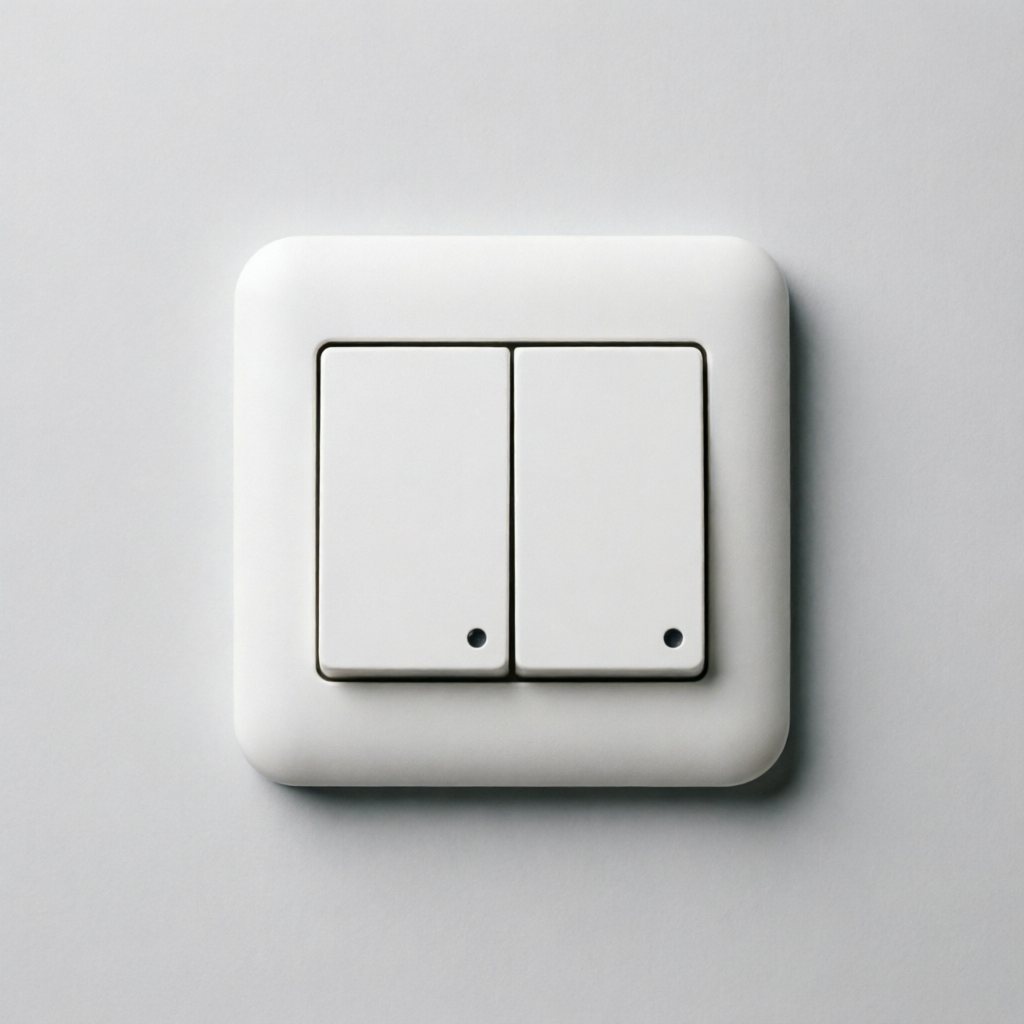
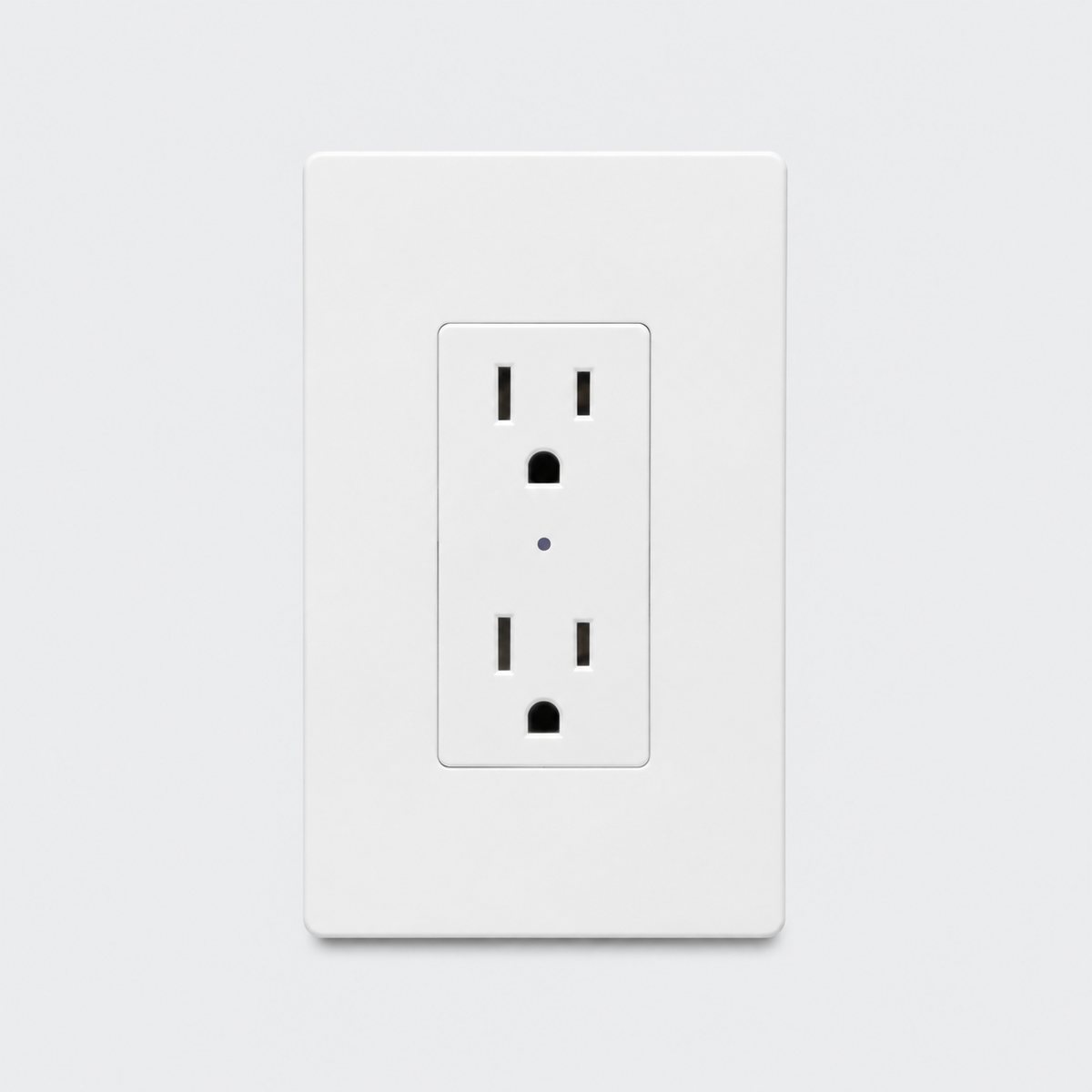
| Dimension | PC / acrylic | RFQ implication |
|---|---|---|
| Structure | Injection-moulded one-piece face; texture in the tool | Surface class and texture are tool decisions — fix them at specification |
| Feel | Lighter, warmer; reads functional rather than premium | Right where the price ceiling is real; wrong where the plate is a finish item |
| Durability | High impact tolerance — flexes rather than shatters; surface wears over years | Wins in transit and on rough sites; ask about hard coating for longevity |
| Surface printing with fine detail; wider colour range than glass | Best for multi-colour logos and detailed graphics — at lower scratch headroom | |
| Cost | Lower unit cost, lighter freight, forgiving packaging | The entry and volume tiers' material — quote packaging light but honestly |
Where polymer sits against glass: glass vs plastic — cost and perception and tempered glass vs PC — durability and cost.
The complaint that follows polymer faces is not breakage — it is looking tired. That is a surface-class question.
A hard surface coating raises resistance to the micro-abrasion from keys, rings and cleaning that makes a plastic face look worn within a year or two. Moulded texture achieves a related effect differently, hiding fine scratches instead of resisting them. Polycarbonate faces vary in surface hardness class — specify it, and compare coated versus uncoated on samples under corridor lighting before deciding.
Housekeeping teams often run the same all-purpose cleaner over a switch plate as over the surrounding tile, and stronger solvents dull a polymer finish faster than glass. Long exposure to sun and heat can also yellow PC faster than glass ages. Neither is a reason to avoid polymer — both are reasons to state the cleaning protocol and installation position in the RFQ.
Polymer's savings arrive in four places, and they compound on volume lines.
Moulded faces avoid tempering, edge polishing and breakage allowances, so the plate quotes lower before anything else is optimised.
Lighter than glass at volume; on large multi-gang plates the weight gap widens further.
Forgiving in transit — less cushioning, fewer compartment rules, lower breakage risk on long lanes.
A wider palette than glass can carry, useful where a range must match a developer's or brand's colour scheme.
If the range must hit a retail price point, polymer faces keep the BOM low without giving up impact tolerance. Pair an entry PC line with a glass premium line and the same desk quotes both — see the materials overview for the split pattern.
Corridors, back-of-house and bulk apartment fits-out take hundreds of identical plates: knock-resistance, colour consistency across the batch and per-unit cost decide these tenders, not showroom feel.
Polycarbonate can yellow and show surface wear faster than glass under years of UV and heat exposure. Texture, colour choice and whether the plate sits in direct sun all move this — raise the installation context in the RFQ so the factory proposes a suitable finish.
Yes, but capacitive sensing is largely engineered around glass fronts, so a touch line converted to PC is not always a simple swap — the controller may need retuning. Confirm material and sensing type together in the RFQ; see the capacitive touch page.
A hard coating raises the surface's resistance to the micro-abrasion that makes plastic look tired within a year or two. Moulded texture hides fine scratches instead of resisting them. Specify the surface class rather than assuming all PC faces are equal, and compare options on samples.
PC for impact tolerance and lowest cost; acrylic where optical clarity and detailed printed graphics matter more. Both mould well — the choice follows whether the range must survive knocks or show fine artwork.