Materials · tempered glass

Tempered glass panels — the premium face, engineered and shipped safely

Tempered glass is the face most touch switches are built around. Here is how the panel is made, what varies between factories, and what to confirm before a glass line ships.

Panel anatomy

What a glass switch panel is made of

Three layers matter: the tempered glass sheet, the decoration on its reverse, and the sub-frame that carries it to the wall.

Tempered glass sheet

Cut and edge-finished before tempering; once tempered, glass cannot be reworked, so cutouts and hole positions are locked at the artwork stage.

Reverse silk-screen layer

Colour and icons are printed on the back face, then covered by the mounting layer — the decoration never faces the room directly.

Sub-frame & edge finish

A frame clamps the glass; polished edges read premium under downlighting, ground edges catch light and fingertips.
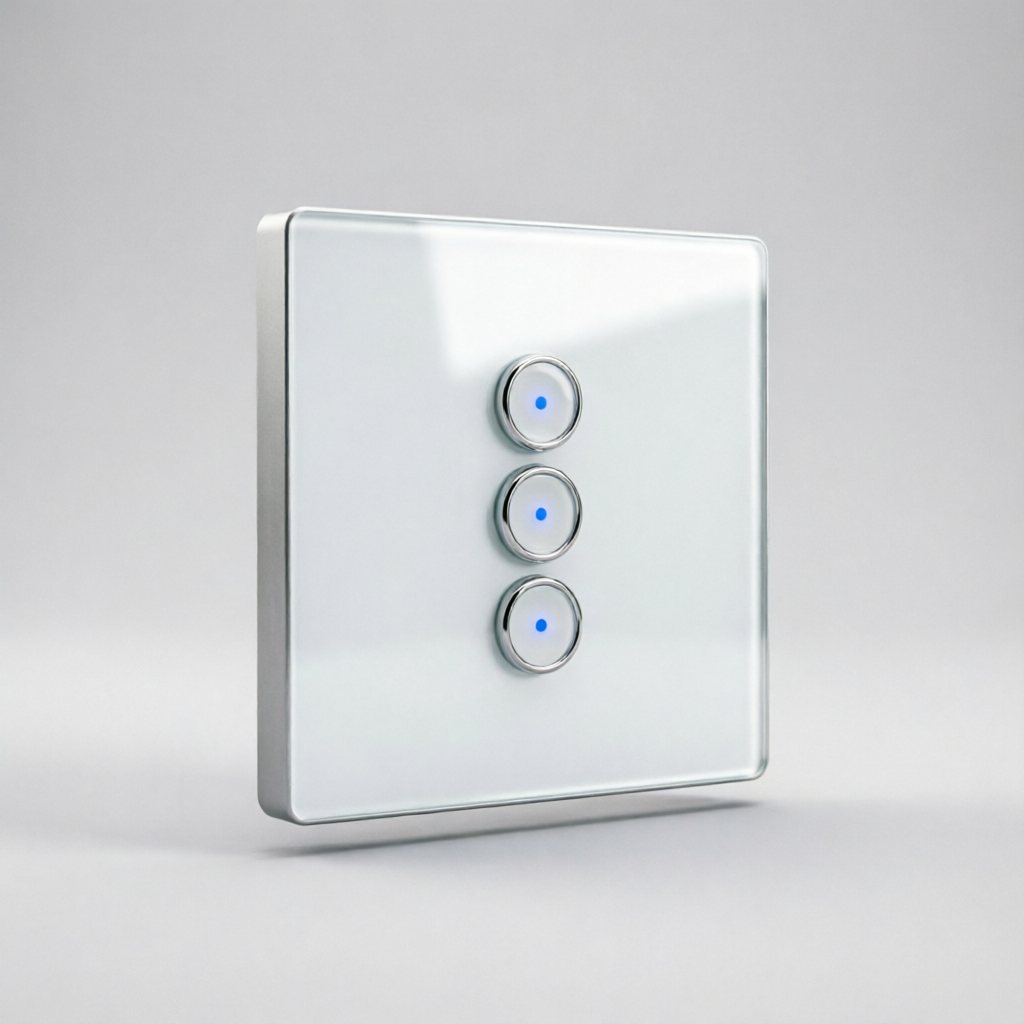
Tempered glass touch switch panel seen at an angle
Glass touch panel, front face — the print sits behind the glass.
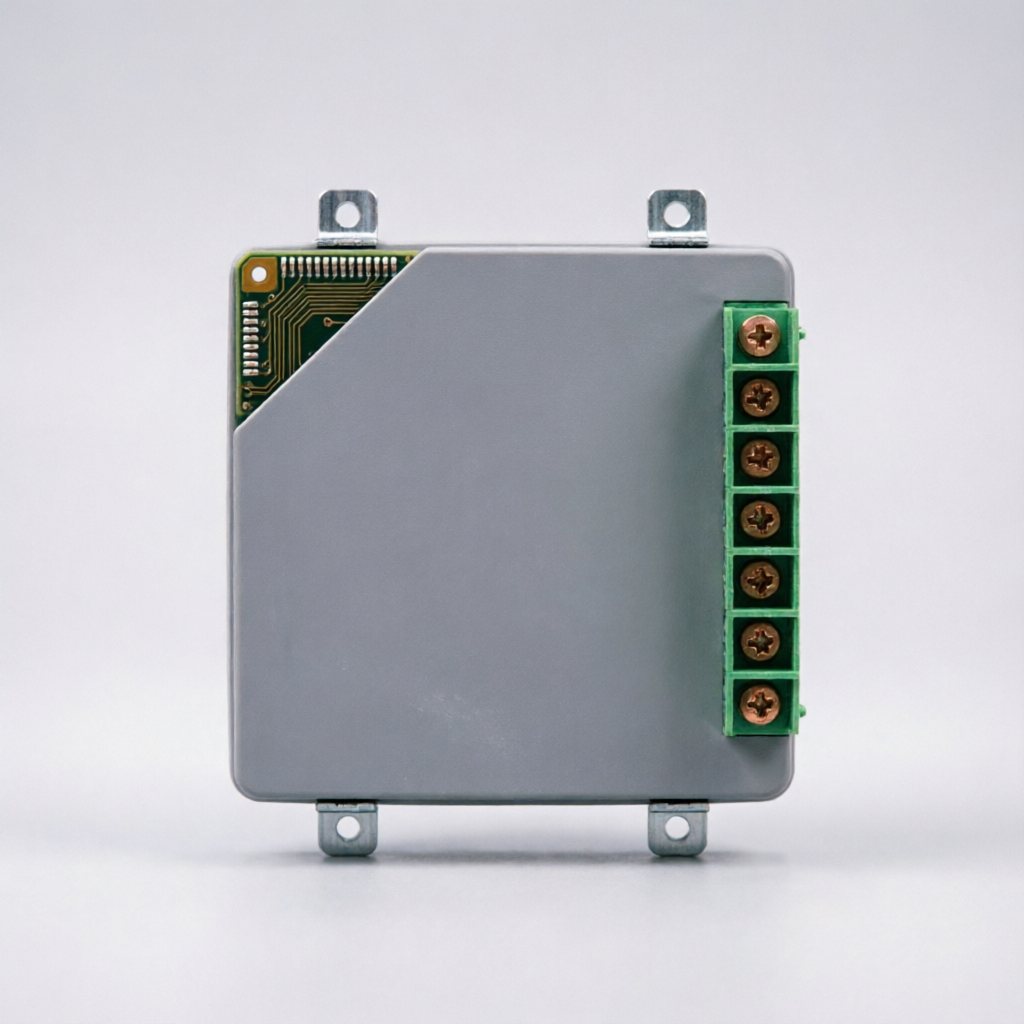
Reverse side of a glass touch switch panel showing the printed back face
Reverse of the same panel — silk-screen decoration on the back face.
Five dimensions

Tempered glass on the buying dimensions that matter

DimensionTempered glassRFQ implication
StructureTempered sheet + reverse print + sub-frameCutout positions must be fixed before tempering — artwork first
FeelCool, dense, premium; hard, non-flexing surfaceThe finish that reads "premium" on showroom walls and hotel rooms
DurabilityHigh scratch resistance against daily wipe-down; brittle under point impactWins where cleaning and keys wear surfaces; plan for handling risk instead
PrintReverse silk-screen — durable, protected, with visual depthMulti-colour art and icons approve on a printed photo set before mass print
CostHigher unit cost; heavier freight; packaging is a real line itemQuote against your actual lane — see packaging section below

Where glass sits against polymer faces: tempered glass vs PC — durability and cost, and the perception angle in glass vs plastic panels.

Print & edges

Two details buyers actually see after installation

The material debate usually stops at glass versus plastic and misses the two details visible in a finished room.

Printing behind the glass

Reverse silk-screen printing puts colour and icons on the back face, where they are protected from cleaning products and abrasion for the life of the plate — the main reason glass finishes stay looking new longer than surface-printed alternatives. Icons must align with the touch zones behind them; moving an icon without moving the sensing electrode produces a plate that looks right and responds in the wrong spot. For that interaction, see the capacitive touch page.

Edge treatment

Glass edges arrive ground or polished. Polished edges survive handling and read premium under corridor downlighting; ground edges catch light and fingertips. Neither detail costs much to specify and both are expensive to discover after install — so state the edge finish at specification, and match it across glass parts in the same range so a mixed range reads as one brand.

Tempering & transit

Breakage behaviour and getting glass through the freight lane

Glass is tempered precisely because of how it fails — the question for buyers is how it is packed, not whether it can break.

How tempered glass fails

Tempering changes the failure mode: when it does break — a dropped tool during install, a hard point knock — it fractures into small granules rather than sharp shards. It remains brittle under point impact, which is why packaging and on-site handling carry the risk budget, not the surface itself.

What to confirm on packaging

Ask the factory specifically about their glass packaging: foam density, box compartmentalisation, carton stacking, and whether they will state a breakage allowance on your route. Transit time and the number of handling transfers decide how much packaging the lane needs — put the route in the RFQ and let the factory price it honestly. Freight weight is the second-order cost; see freight and consolidation.

Thickness in one line: ranges are commonly offered around a small set of standard thicknesses (for example 4 mm and 5 mm). Thicker plates feel more substantial, and the sensing layer behind the glass is tuned to a thickness — confirm the pair, not the number alone.
Best for

Who tempered glass lines suit

Hotel & premium residential channels

Where the switch is a visible finish item — guest rooms, lobbies, living areas — glass carries the perceived quality that justifies the tier. Pair it with touch or a premium rocker, and match edge and print treatment across the range.

Brands building a showroom tier

If the catalogue needs one line that photographs and feels like the top of the range, glass is that line. Keep it to the plate sizes where it is credible, and let polymer faces carry the volume tiers beneath — the PC & acrylic page covers that half of the range.

See glass-face switches & panels Back to materials overview
FAQ

Glass panel questions, answered plainly

Will tempered glass panels break in transit?

Breakage in transit is a real line item for glass lines, not a theoretical risk. It is managed with packaging — foam density, compartmentalised boxes and carton design — and it should be discussed against your actual freight route before the order, with any breakage allowance stated by the factory in writing.

Does glass thickness change the product?

Thickness affects how substantial the plate feels in the hand and how the touch sensing layer behind it performs. Ranges are offered in standard thicknesses (for example 4 mm and 5 mm); confirm which ones your chosen range supports and that the controller is tuned for the thickness you pick — see the capacitive touch page.

Is the printing on the front or the back of the glass?

Icons and colour are silk-screen printed on the reverse face. Behind the glass, the print is protected from cleaning products and scratches and gains visual depth — one of the reasons glass finishes keep looking new longer.

What happens if a glass panel breaks in the field?

Tempered glass fractures into small granules rather than sharp shards, which contains the incident. For after-sales economics, agree a spare-face strategy per range at order time — replacing a face is far cheaper than replacing a complete switch.

Related

Articles and pages that pair with glass panels

Start an RFQ for a glass panel line Browse the catalogue