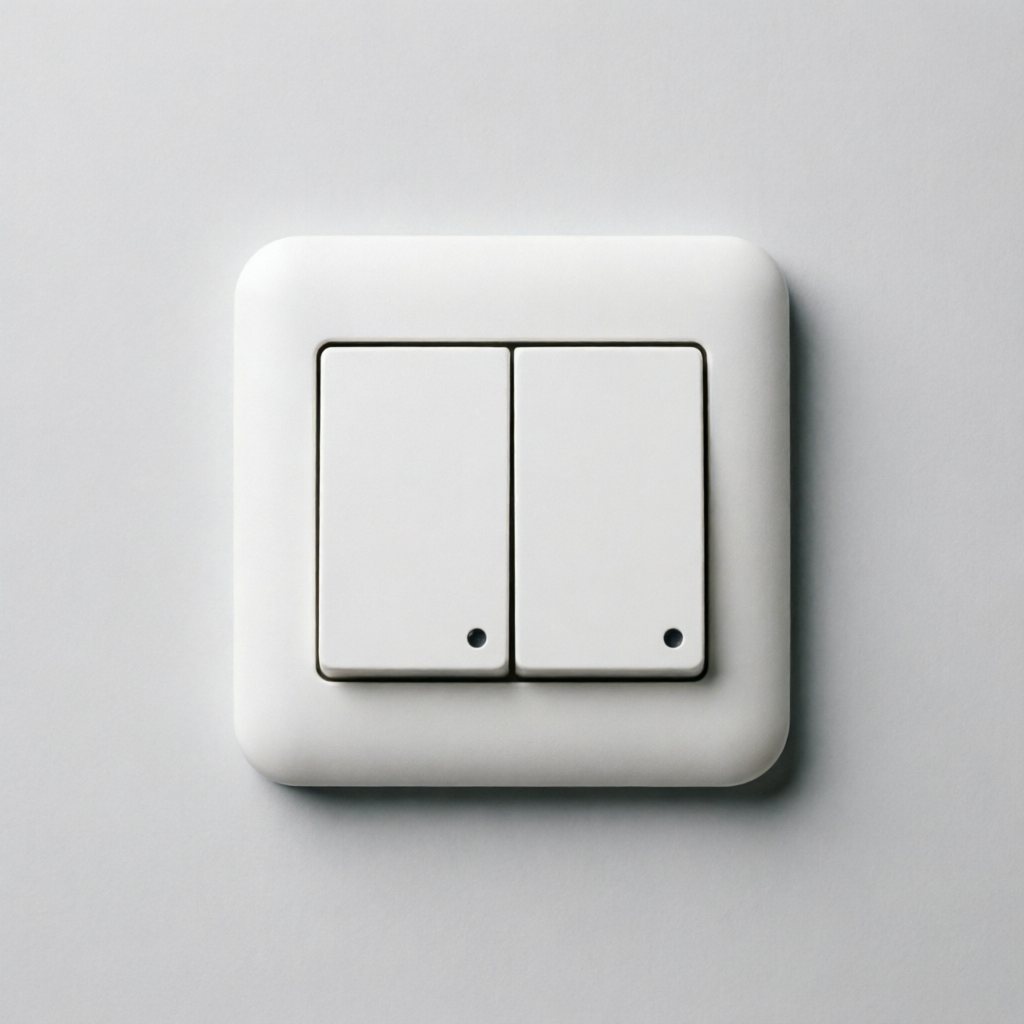
Zigbee 3.0 has been the working standard behind most Zigbee wall switches and gateways on the market for years, and it remains the version the vast majority of currently shipping SKUs — including our own catalogue sample PL-SW-R2-ZB-EU — are built and certified against. Zigbee 4.0, which the Connectivity Standards Alliance has slated for release in the second half of 2026, adds new capability rather than replacing 3.0 overnight. For B2B buyers, the practical question is not "should I switch to 4.0 today" — it is what changes, what stays compatible, and when it is worth asking a factory about a 4.0 revision.
What Zigbee 3.0 already does
Zigbee 3.0 unified what had previously been a fragmented set of application profiles into one common standard, which is why most of today's Zigbee wall switches, sensors and bulbs can join the same mesh regardless of the original vertical they were designed for. It remains a solid, mature choice for hotel and multi-sensor installs, and the current certified product base (3,500+ certified products) is overwhelmingly built on 3.0. There is no urgency to avoid 3.0 SKUs on a 2026 RFQ — it is the safe default.
What Zigbee 4.0 is expected to add
Zigbee 4.0 is expected to add sub-GHz radio support alongside the existing 2.4 GHz band, marketed under initiatives such as SUZI (Sub-GHz Unified Zigbee Interface), aimed at improving range and reducing congestion in dense 2.4 GHz environments — a direct answer to one of the recurring complaints about Zigbee (and Wi‑Fi) mesh reliability in crowded RF environments like large apartment blocks or hotels with many competing networks. This is a meaningful upgrade for large-scale sensor deployments, but it also means new hardware: sub-GHz support requires a radio module capable of that band, not just a firmware update on an existing 2.4 GHz-only chip.
| Aspect | Zigbee 3.0 | Zigbee 4.0 (H2 2026) |
|---|---|---|
| Market status | Mature, dominant certified base | New, rolling out through 2026 |
| Radio band | 2.4 GHz | Adds sub-GHz option (SUZI) alongside 2.4 GHz |
| Hardware impact | Current modules | Requires new radio silicon for sub-GHz features |
| Backward compatibility | N/A | Existing 3.0 mesh devices continue to work; 4.0 features need 4.0 hardware |
| Buyer action today | Safe default for most RFQs | Ask about roadmap only if range/congestion is a known pain point |
Will existing gateways and switches need replacing?
Zigbee's mesh has generally maintained backward compatibility across major revisions — a 4.0-era network is expected to continue supporting 3.0 devices, since forcing a wholesale hardware swap across an installed base would work against adoption. That said, "compatible" and "capable of the new features" are different claims: a 3.0 device joining a 4.0 mesh will keep working as a 3.0 device, it will not gain sub-GHz range simply by being on the same network as newer hardware. Do not assume a "future-proof" claim on an existing SKU means it will gain 4.0 capabilities through a software update — confirm this explicitly with the factory rather than assuming it.
Timeline expectations for buyers
A "second half of 2026" release window for Zigbee 4.0 does not mean fully qualified, cost-competitive sub-GHz wall switches will be sitting in factory catalogues on day one. New radio standards typically follow a pattern where the earliest hardware ships at a cost premium, factory qualification and certification take additional months beyond the standard's own release, and broad SKU availability across multiple factories follows well after the first movers. Buyers with an urgent congestion problem today should solve it with current-generation tools — better channel planning, additional Zigbee routers/repeaters, or a Z-Wave alternative for the specific rooms affected — rather than waiting on a 4.0 timeline that is still unfolding.
Where this intersects with Matter
Zigbee 4.0 development is happening in parallel with, not instead of, the Zigbee-to-Matter bridging path many gateways already support (see PL-GW-ZB-MTR). A buyer choosing between a 3.0 device today and waiting for 4.0 hardware should treat the Matter bridging question separately — see our Matter explainer — since a gateway's Matter bridge capability is not automatically tied to which Zigbee generation sits behind it.
What to ask before specifying either
- Is the current SKU built on Zigbee 3.0 silicon, and does the factory have a 4.0 roadmap or timeline for this product line?
- If sub-GHz range is the actual pain point, would a wired or Wi‑Fi alternative solve it sooner than waiting for 4.0 hardware to mature?
- Does the buyer's target market have any regulatory sub-GHz band restrictions that could affect a future 4.0 SKU (regional RF allocations vary)?
- Will 4.0-era gateways continue supporting the buyer's existing 3.0 device inventory (expected yes, but confirm with the specific factory/gateway model)?
For a broader look at how Zigbee compares with the other mesh-and-hub alternative on the market, see Z-Wave: where it still wins in 2026.
Planning around the Zigbee 4.0 rollout?
Tell us your timeline and density needs and our trading desk will flag which current SKUs are safe defaults versus which need factory confirmation on 4.0 plans.
Start RFQWhat the Newer Revision Changes for Your Order File
The protocol revision's arrival does not obsolete the installed base of the previous one; it adds a chapter to it. For buyers, the practical impact lands in three places. New-product decisions from the transition onward should ask whether the SKU ships on a revision-ready stack and what the upgrade path is, because sub-gigahertz options change what large buildings can do with switch networks. Ecosystem compatibility questions gain a version dimension — works with my hub now deserves the follow-up question of which revision — and the answer belongs in the order file beside the module identity. Certification references may split between revisions during the transition, so the certification matrix gains a column.
The transition period favors neither panic nor inertia. Existing stock remains legitimate and sellable; its buyers simply record the revision honestly and match it to the ecosystems their market runs. New range decisions should weight suppliers who articulate their roadmap concretely — module families, timing, certification plans — over those who mention the standard because a trade show did. A desk consolidating across factories sees revision adoption as it happens across the industry and can tell you which lines are transitioning cleanly versus which will strand; that visibility is worth more as the transition progresses, and it arrives free with a consolidated RFQ.
The last word belongs to your customers, whose hubs will meet both revisions for years. Ask your channel which revision their installed base actually runs before setting your range ratios — the answer varies by market and sometimes by retail chain — and let the mix, not the press release, set the order. The revision story is ultimately a compatibility story, and compatibility is checked in your markets living rooms rather than in standards documents; the distributor who asks finds out first, and the one who ships on assumptions finds out at return time.