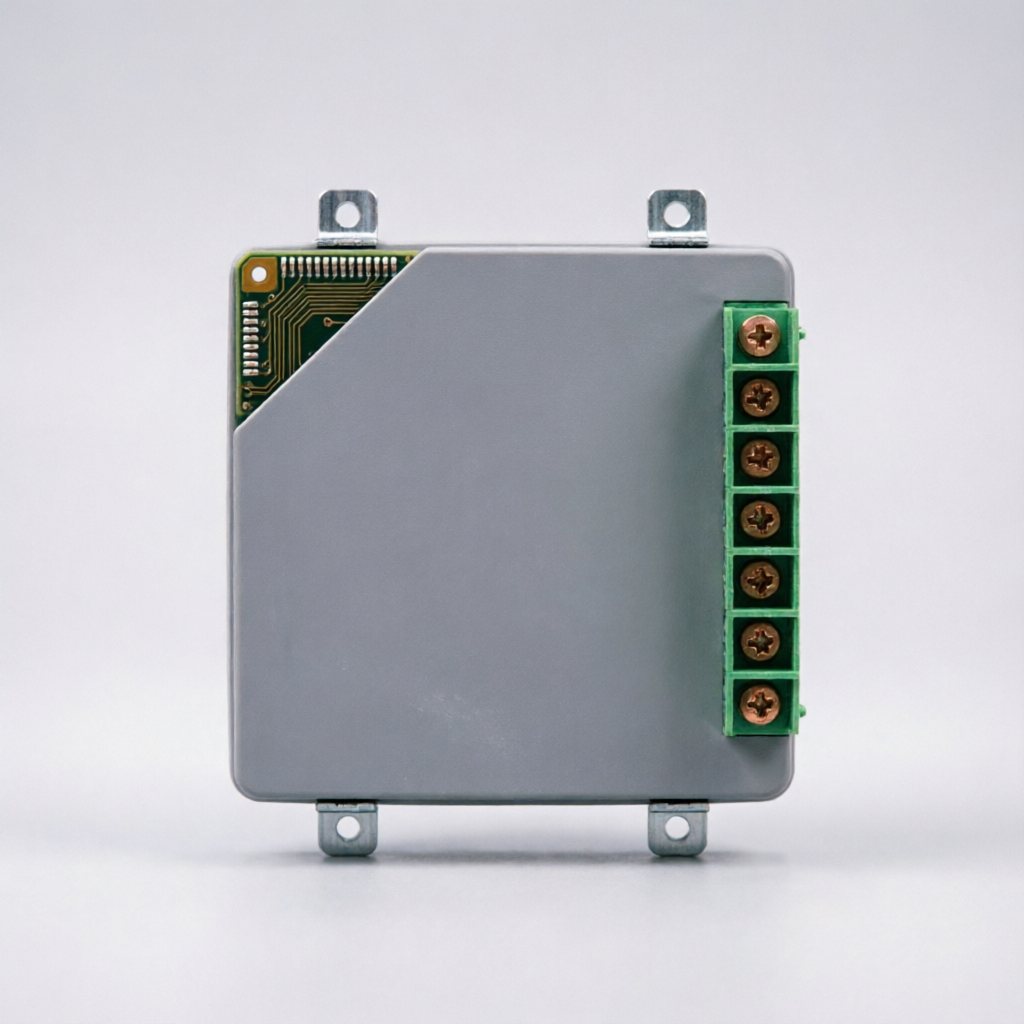
Most smart wall switches and panels sold into global B2B channels trace back to one of two Chinese manufacturing clusters: Guangdong, centered on Shenzhen and Dongguan, and Zhejiang, including Wenzhou. Buyers rarely ask which cluster their factory sits in, but it is one of the more useful questions to ask early, because the two clusters bring different strengths, and that affects everything from component sourcing speed to how naturally a factory fits a private-label OEM request.
Two clusters, two different strengths
Guangdong's depth is in electronics and consumer IoT — the Shenzhen/Dongguan corridor sits inside China's broader consumer electronics supply chain, with dense access to chipsets, radio modules, and the Tuya-class OEM/ODM ecosystem that underlies most Wi‑Fi and Zigbee smart switch software stacks. Factories here tend to be strong on firmware, app integration and fast iteration on connected features. Zhejiang, including Wenzhou, has a longer manufacturing heritage specifically in wall switches, sockets and electrical hardware — the mechanical and injection-molding side of the product, plate finishes, and the tooling that goes into physical switch and panel form factors. Neither cluster does only one thing, but a factory's home cluster is a reasonable signal for where its core competency actually sits.
What this means for lead time and MOQ
We are not going to state specific lead-time days or MOQ figures here, because those vary by factory, SKU and season — confirm them in your RFQ rather than take a general estimate as a quote. What is fair to say structurally: a project that leans heavily on radio module customization or app-level private branding is more naturally suited to a Guangdong-based factory's existing supply chain; a project centered on mechanical variety (finishes, plate styles, gang configurations) may sit more naturally with a Zhejiang-based factory's hardware strength. Mixed BOMs — switches from one cluster, sensors or gateways from another — are common and not a problem, provided the trading desk coordinating the order tracks both supply chains and consolidates shipping.
Certification and QC patterns common to both clusters
Both clusters serve export markets extensively, so certification discipline (CE for EU/UK-adjacent markets, FCC-class narratives for North America-bound RF products) is standard practice rather than a special request in either region. As of 2026, the UK still recognizes CE marking as covering 21 key regulations, and Northern Ireland requires CE under the Windsor Framework regardless of UKCA status — a detail worth confirming per market on either cluster's paperwork. See Certifications for the full breakdown.
Structuring a mixed-cluster RFQ
| BOM line | Cluster fit tends toward | What to confirm |
|---|---|---|
| Wi‑Fi / Zigbee wall switches | Either — confirm per factory | Module revision, app branding path |
| Scene panels / hotel key-card switches | Zhejiang-leaning hardware strength | Plate finish options, gang configuration |
| Gateways / bridges | Guangdong-leaning electronics depth | Firmware roadmap, Matter bridge support |
| Sensors (PIR, contact, climate) | Either — often bundled with gateway supplier | Battery life, pairing protocol |
Working with a trading desk versus a single factory
A buyer sourcing directly from one factory in one cluster gets that factory's strengths and inherits its gaps — a Zhejiang hardware specialist may need to subcontract for a gateway; a Guangdong electronics factory may subcontract mechanical tooling. A trading desk that maintains relationships across both clusters, such as our own network of 40+ partner factories, can assemble a mixed BOM without the buyer having to manage two separate supplier relationships and two shipping consolidations. Related reading: our note on export trends by region and our OEM guide to Tuya-class switches.
Building a BOM across both clusters?
State your product mix in the RFQ; our trading desk will confirm which factories fit and consolidate the shipment.
Start RFQCluster Advantage: What It Changes for Buyers
Cluster geography matters to buyers for one reason: density shortens everything. In a cluster, the mold shop, the glass printer, the module distributor and the assembly line sit within the same industrial district, so a change order that takes weeks across provinces takes days across town. Sampling iterations compress; a factory that lacks a component in stock usually knows which neighbor has it. This is the structural reason trading desks concentrate sourcing in these two regions rather than hunting the absolute lowest quote nationwide.
Clusters also concentrate quality variance, in both directions. The same district contains export-grade lines and domestic-bargain lines, sometimes on the same street, and a buyer without local verification cannot tell them apart from a catalog. That is the practical case for verification: sample approvals against written specifications, line photos or video on request, and pre-shipment inspection by agreed sampling standards for multi-factory orders. A desk operating inside the cluster runs these checks as routine; a remote buyer who assumes a famous region name is itself a quality statement is reading the map backwards.
For buyers planning visits, both clusters reward a structured day. Two factories maximum per day with sample reviews in between beats a whirlwind tour of six; the second conversation at each factory is where the real capability picture emerges, and it only happens when the schedule allows it. Ask your consolidating desk to arrange cluster visits — desks on the ground know which lines welcome audits and which photos are worth taking. A visit organized by the desk that will run your order is worth more than any certificate in the file, because you see the QC culture that produced the samples rather than the samples themselves.