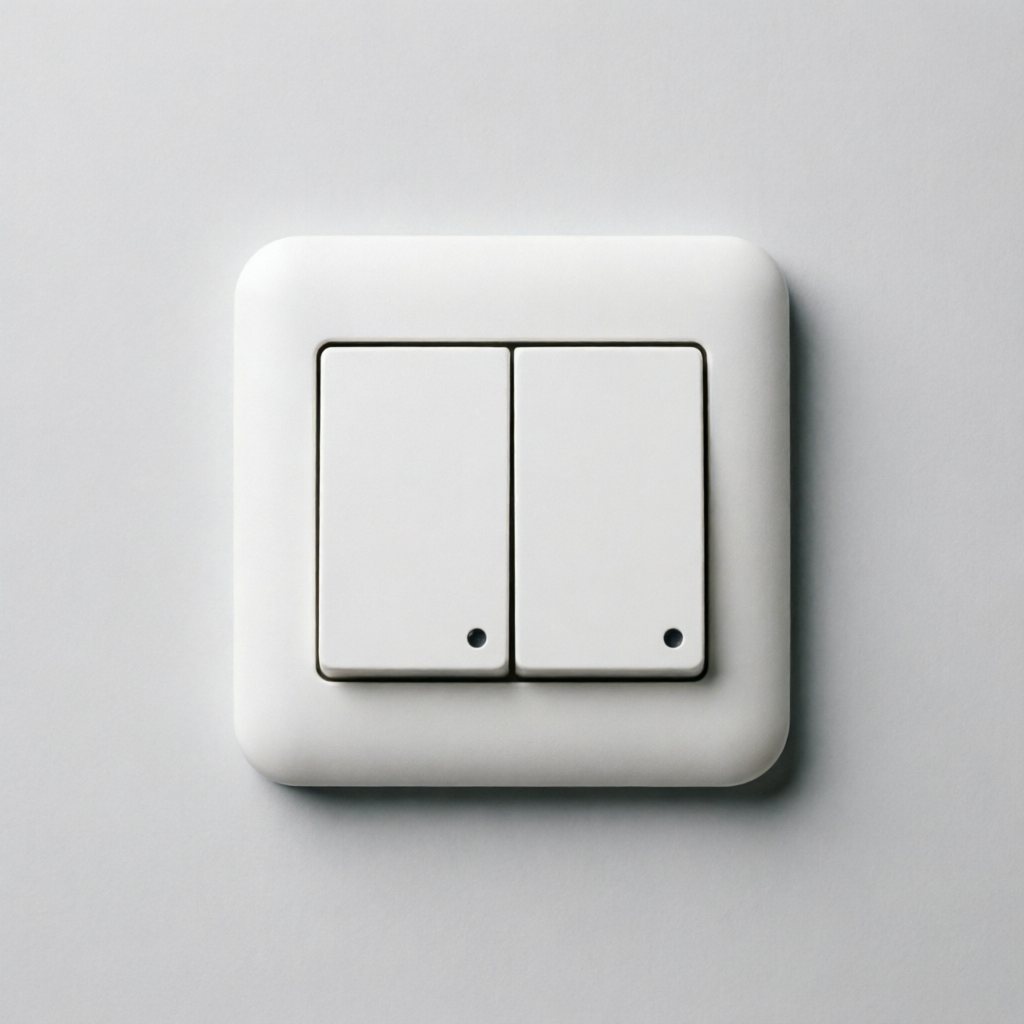
Commercial vehicles accumulate auxiliary circuits the way offices accumulate cables. A service van gains beacon lights, work lamps, an inverter, a liftgate, a compressor and a rear-camera monitor; a utility truck adds boom controls and warning boards; a passenger shuttle adds interior lighting zones and door assist. Each add-on traditionally brings its own toggle switch, its own wiring habit and its own failure mode, until the dash looks improvised and every driver learns a different vehicle differently. A 12V touch screen switch panel replaces that accumulation with a defined, labelled, backlight-consistent interface — which is precisely why fleet operators, not just custom builders, have started specifying them as standard equipment. This article is a specification framework for that procurement: what to define before you order, and what to leave to the supplier's datasheet rather than assumption.
Inventory the circuits first, the panel second
The strongest fleet specifications start from a circuit inventory, not a catalogue page. List every auxiliary circuit the vehicle type carries: warning and beacon lights, scene and work lighting, inverters, pumps, compressors, actuators, monitors and charging points. For each, record what kind of load it is and who operates it, because those two facts drive everything else. Lighting circuits are natural touch-panel channels. Motor-driven gear — compressors, pumps, lift actuators — should be switched through relays, with the panel carrying control current only, as the per-channel current capability of a panel is a datasheet figure to confirm in writing rather than a number to assume. Safety-relevant circuits such as beacons need unambiguous on/off indication, which favours panels with clear per-channel backlight states. This inventory step is the same discipline described in our 12V and DC panel overview, and fleets that skip it usually discover mid-installation that they need one more gang than they ordered.
Switching behaviour: latching, momentary and interlocks
Residential switches latch: press once for on, press again for off. Fleet circuits often need more than that, and touch panels differ in which behaviours they support. Momentary channels — on only while touched — suit horns, door releases and accessory priming. Latching channels suit lighting and most accessory power. Some panels support timed or pulse behaviour, and some support channel interlocks, where enabling one circuit disables another — useful where two accessories must never run together. The correct approach is to write the required behaviour per channel into the RFQ and ask the supplier to confirm which behaviours the proposed panel supports natively and which would need firmware work. Treating switching logic as a custom feature discovered after delivery is how fleet programmes end up with panels that work electrically but frustrate drivers daily.
Durability: the duty cycle is the specification
Fleet vehicles run long hours, start in every season, and vibrate for a living. A touch panel for this environment should be judged on the duty cycle, not the brochure photo. The checks that matter: how the panel behaves across the vehicle's real voltage range, including cranking dips and charging transients; whether terminals and connectors resist working loose under continuous vibration; how the touch surface handles driver gloves, dust films and cleaning chemicals; and what ingress protection the assembled panel carries for its mounting position — a figure to confirm explicitly in the RFQ, since it depends on gasket and housing assembly rather than the face alone. Thermal behaviour belongs on the same list: a panel mounted above a heater duct or in direct sun through a windscreen lives in a very different climate from one in a climate-controlled cab. Ask how the proposed model is validated for the temperature range your vehicles actually see, and treat evasive answers as a finding in themselves.
Standardisation across the fleet
The fleet-specific argument for touch panels is not style — it is repeatability. When every vehicle of a type carries the same panel, the same legends and the same channel mapping, three costs fall at once. Driver training falls, because muscle memory transfers between vehicles. Upfitter labour falls, because the wiring plan is a document rather than a decision made fresh in each van. And maintenance falls, because a faulty panel is swapped like-for-like without diagnosis time. Achieving that requires the fleet to own a written standard: panel part number, gang count, legend text per channel, backlight colour, mounting position and wiring diagram. Our gang configuration guide helps set the per-vehicle layout, and once the standard exists, ordering becomes a schedule rather than a project. Fleets running mixed vehicle types should at least standardise legend language and backlight colour across types, so the interface logic stays familiar even where gang counts differ.
What to put in the fleet RFQ
A fleet panel RFQ that gets useful quotations back contains:
- The circuit inventory per vehicle type, with load class per channel and required switching behaviour.
- System voltage (12V, or 24V on heavy vehicles — many trucks and buses run 24V systems) and any dual-voltage variants needed.
- Mounting details: dash cut-out dimensions, panel depth available, bracket or bezel requirements.
- Environment: vibration, temperature exposure and the ingress protection figure expected for each mounting position.
- Legends and backlighting: text per channel, language variants, colour and dimming requirements.
- Documentation: wiring diagrams mapping channels to relays and fuses, plus installation instructions fit for upfitters.
- Programme terms: sample vehicles, phased volumes, spares holding and private-label branding.
None of these items requires a price concession to state — they are the difference between a quotation and a guess. As a trading platform working with 40+ partner factories, 8000+ SKUs and 12 years of export experience, we regularly assemble exactly this package for fleet and upfit buyers, coordinating samples through to phased volume under one RFQ and one packing discipline. For related off-highway requirements, our off-road and UTV buying guide covers harsher environments, and the wiring-level questions behind every fleet install are treated in DC circuit considerations.
A short specification table
| Item | Fleet-standard approach |
|---|---|
| Circuit inventory | Written per vehicle type, load class per channel |
| Motor loads | Relay-driven; panel carries control current |
| Switching logic | Defined per channel: latching, momentary, interlock |
| Legends | Standard text and backlight colour fleet-wide |
| Documentation | Wiring diagram and install guide for every upfitter |
| Spares | Same part number held as fleet stock |
Standardising a fleet interface?
Send the circuit inventory and vehicle types in one RFQ — we will return matched panel options, confirm ratings and behaviours in writing, and coordinate samples for your pilot vehicles.
Start RFQ